This 12-month structured learnership combines classroom training with hands-on experience at operational treatment facilities. It is designed for candidates who have completed Matric with Mathematics and Physical Science and want to enter one of South Africa’s most essential infrastructure sectors.
Water is not just a resource — it is a national priority. Skilled professionals are needed to maintain and protect the country’s supply systems. This programme supports that goal while helping young people gain practical, career-building experience.
About Rand Water: A Trusted Public Utility
Established in 1903, Rand Water is one of the largest bulk water utilities in the world. It supplies potable water to millions of people across Gauteng and surrounding regions.
Johannesburg was not built near a major river system. Over decades, advanced engineering and water transfer systems were developed to sustain economic growth in the region. Rand Water plays a critical role in maintaining that infrastructure.
Its training initiatives align with South Africa’s National Skills Development Strategy (NSDS) and focus on scarce and critical technical skills in the water sector.
That makes this learnership more than training — it is preparation for work in a nationally important field.
What Is the Rand Water Learnership 2026 NQF Level 2?
The Rand Water Learnership 2026 NQF Level 2 is a structured development programme focused on water and wastewater treatment operations.
Programme Snapshot
Qualification Level: NQF Level 2
Duration: 12 months
Sector: Water and Wastewater Treatment
Target Group: Unemployed South African youth
Age Range: 18–35 years
Entry Level: Matric with Mathematics and Physical Science
The programme blends theoretical instruction with practical exposure at Rand Water facilities.
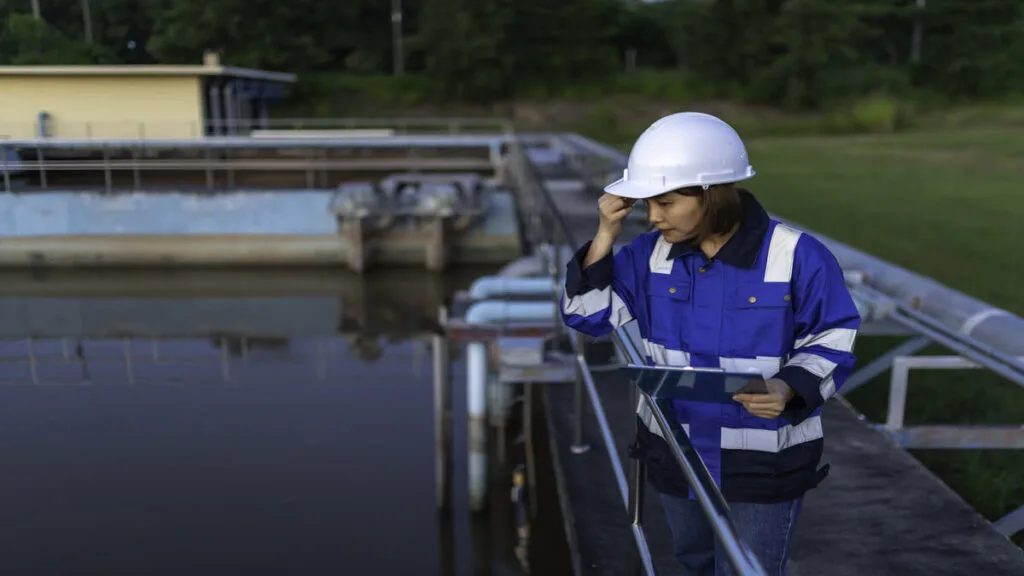
Learners are not confined to classrooms. They are exposed to real operational environments where water treatment processes take place daily.
Minimum Requirements
Applicants must meet all eligibility criteria:
Must be unemployed
Must not be enrolled at any educational institution
Must not be registered for another learnership
Must not have completed any post-matric qualification
Must not hold a diploma, certificate, or degree
Must be between 18 and 35 years old
Must be a South African citizen
Must have a valid South African ID
Must have Matric with:
Mathematics (minimum Level 3)
Physical Science (minimum Level 3)
⚠️ Applicants who have completed any post-matric qualification will not be considered.
Failure to disclose qualifications may lead to disqualification.
Required Application Documents
To be considered, applicants must submit:
Certified copy of South African ID
Proof of residence
Certified copy of Matric certificate
SAQA / NLRD verification report
Updated CV
The SAQA verification report can be obtained from the National Learners’ Records Database (NLRD).
All documents must be clear and properly certified.
Incomplete submissions may result in automatic disqualification.
The Rand Water Learnership 2026 NQF Level 2 focuses heavily on practical application.
Primary Duties Include:
Assisting in operating water and wastewater treatment plants
Monitoring water quality parameters
Conducting basic laboratory tests
Supporting equipment maintenance
Participating in sampling procedures
Completing assignments and assessments
Maintaining a practical logbook
Learners are expected to participate actively in both classroom and plant-based training environments.
Knowledge Areas Covered
Participants will gain knowledge in:
Water purification processes
Wastewater management systems
Basic laboratory procedures
Equipment handling and safety
Health and safety compliance standards
Environmental and regulatory frameworks
These competencies align with broader water services and environmental management fields.
Skills You Will Develop
Technical Skills
Water quality testing
Sampling techniques
Laboratory assistance
Equipment monitoring
Understanding operational workflows
Workplace Skills
Communication skills
Team collaboration
Professional discipline
Time management
Safety compliance awareness
The combination of technical and soft skills strengthens employability.
Attitude and Personal Qualities Required
Rand Water looks for candidates who are:
Self-motivated
Disciplined
Reliable
Safety conscious
Results driven
Committed to completing the programme
Water treatment plant environments require strict adherence to procedures. Professional conduct is essential.
What Qualification Will You Receive?
Upon successful completion, learners receive an NQF Level 2 qualification aligned with water and wastewater treatment standards.
This qualification enhances employability in:
Municipal water services
Wastewater management
Environmental services
Infrastructure operations
Laboratory support roles
While completion does not guarantee employment, it significantly strengthens a candidate’s professional profile.
Why Consider a Career in the Water Sector?
South Africa faces ongoing infrastructure and environmental challenges. Skilled water professionals are essential to maintaining public health and economic stability.
A career in this sector offers:
Stability
National impact
Environmental relevance
Long-term growth potential
Water services professionals work in municipalities, public utilities, and private environmental firms.
Skills developed in this programme are transferable across multiple sectors.
Important Application Advice
Before applying:
✔ Confirm you meet the Mathematics and Physical Science requirements ✔ Obtain your SAQA / NLRD verification early ✔ Ensure your CV is clear and professional ✔ Confirm you do not hold any post-matric qualification ✔ Submit all required documents
Applications that do not meet the criteria will not be processed.
Frequently Asked Questions (FAQs)
Can I apply if I have a diploma or degree?
No. Applicants with post-matric qualifications will not be considered.
Is this programme paid?
Learnerships typically include a stipend. Specific stipend details are usually communicated during recruitment.
Do I need previous work experience?
No prior work experience is required.
Where will training take place?
Training takes place at Rand Water facilities and designated training venues.
Does completing the learnership guarantee employment?
No. However, the qualification and experience improve future job prospects.
By combining theory with real-world plant exposure, this programme equips participants with foundational technical skills that are relevant and in demand.
If you meet the eligibility criteria and are prepared for a disciplined and technical learning environment, this learnership can serve as a stepping stone into water services and environmental infrastructure careers.
Prepare your documents carefully, verify your qualifications, and submit a complete application.
Structured opportunities like this reward commitment and attention to detail.
Nonhlanhla Ndlovu is the founder and publisher of EduFeeds, a South Africa–focused platform that shares verified learnerships, internships, bursaries, and job opportunities for young people and job seekers.
With a strong focus on helping South African youth access real career opportunities, Nonhlanhla researches and verifies programmes from official company sources and public announcements before publication. EduFeeds aims to simplify the application process by providing clear guidance, requirements, and practical tips to help applicants apply with confidence.
Nonhlanhla continues to monitor updates from SETAs, companies, and training providers to ensure information on Edu Feeds remains current and useful. She focuses on publishing timely and accurate opportunity updates for the South African youth employment market.
South Africa’s logistics and supply chain sector continues to grow, creating demand for skilled young professionals who understand how goods move, how warehouses operate, and how administration supports daily business operations. The iLearn Learnership Programme 2026 (Logistics & Administration) is now open for unemployed South African youth who want to gain real workplace experience while…
The South African job market in 2026 remains highly competitive, especially for the youth. As industries evolve with automation and AI, the demand for foundational business skills is higher than ever. Enter Robert Bosch, a global leader in technology and services, which has officially opened its Business Administrator Learnerships for 2026 in Midrand. If you…
If you want practical digital marketing experience and a paid pathway into media, retail technology, and digital signage, the Moving Tactics Media Campaign Assistant Internship is an opportunity worth serious attention. Based in Fourways, this 12-month paid internship offers a R6,000 monthly stipend and practical exposure across campaign coordination, digital media execution, social media management,…
Access to practical work experience remains one of the biggest challenges for young people entering the South African job market. While many individuals complete secondary education, a lack of workplace exposure often limits employment opportunities. Learnership programmes are designed to address this gap by combining structured learning with hands-on training. These programmes allow participants to…
Last Updated: March 2026 Finding in-service training after completing your N6 qualification can be challenging — but this new opportunity from Clicks could be exactly what you need. The Clicks TVET Internship 2026 programme is now open for applications, offering N6 graduates a chance to gain valuable workplace experience in the retail sector. This 18-month…
Young South Africans with Matric can now apply for a 12-month workplace opportunity in the automotive sector. The Motus Aftermarket Parts YES Learnership 2026 gives unemployed youth practical experience, mentorship and exposure in selected locations through finance, administration and warehouse operations. Motus Aftermarket Parts is inviting unemployed South African youth to apply for the YES Learnership…