If you’re serious about finding accredited training, learnerships, or workplace experience in 2026, understanding SETA opportunities South Africais essential.
Across the country, thousands of young people secure skills training and first-time work exposure through programmes funded by Sector Education and Training Authorities (SETAs). Yet many eligible applicants miss out simply because they don’t understand how the system works or how to apply correctly.
This comprehensive guide explains everything you need to know — from what SETA opportunities are, to who qualifies, how to apply successfully, and how to improve your selection chances in 2026.
Whether you’ve just finished matric, completed a diploma, or are currently unemployed, this pillar guide will help you navigate the South African skills development landscape with confidence.
SETA Opportunities South Africa — What They Really Mean
SETA opportunities South Africa refer to structured training and workplace programmes funded or supported by the country’s Sector Education and Training Authorities.
SETAs were established under the Skills Development Act to address critical national priorities, including:
Reducing youth unemployment
Developing scarce and critical skills
Supporting workplace learning
Improving economic participation
Strengthening industry-aligned training
These programmes are not random short courses — they are part of South Africa’s formal skills development ecosystem and often lead to nationally recognised outcomes.
Most SETA opportunities fall into four major categories:
Learnerships
Internships
Apprenticeships
Skills programmes
Understanding the differences between these pathways is key to choosing the right opportunity.
Types of SETA Opportunities Available in 2026
Learnerships
Learnerships remain the most common SETA-funded opportunity in South Africa.
A learnership combines three core components:
Structured workplace experience
Formal classroom learning
A registered NQF qualification
Most learnerships run for approximately 12 months, although some may vary depending on the qualification level and industry requirements.
Participants usually receive a monthly stipend to support basic expenses during training.
If you want both a qualification and real work exposure, learnerships are often the strongest entry point.
SETA-supported internships focus primarily on graduate workplace exposure.
These programmes typically:
Last between 6 and 24 months
Emphasise practical experience
May include a stipend
Target diploma or degree holders
Unlike learnerships, internships do not always lead to a formal NQF qualification, but they significantly improve employability.
Internships are especially valuable for graduates struggling to gain their first professional experience.
Apprenticeships
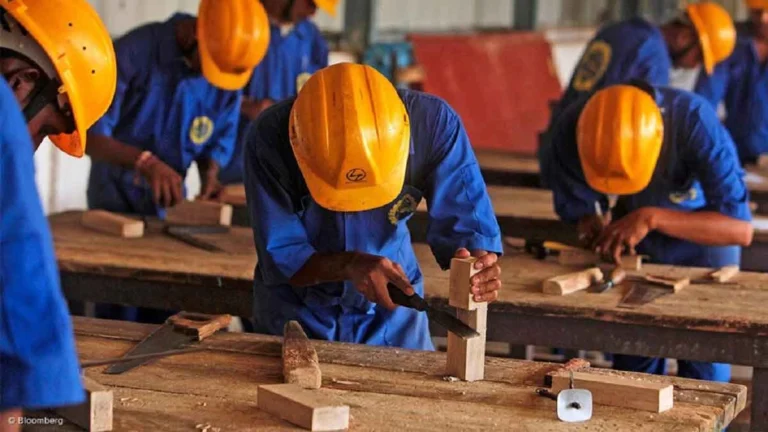
Apprenticeships are longer, highly technical training programmes focused on skilled trades.
Common apprenticeship fields include:
Electrical
Plumbing
Mechanical trades
Construction
Automotive trades
These programmes are more intensive than learnerships and are ideal for individuals pursuing artisan careers.
Because South Africa continues to face artisan shortages, apprenticeship pathways remain strategically important in 2026.
Skills Programmes
Skills programmes are shorter, focused training interventions designed to build specific workplace competencies.
They typically:
Run for a few weeks to several months
Focus on targeted skill development
May contribute credits toward a full qualification
Often serve as stepping stones into learnerships
While shorter than other SETA opportunities, they can still strengthen your CV and improve employability.
Who Qualifies for SETA Opportunities in South Africa?
Eligibility varies by programme and sector, but most SETA opportunities South Africa require applicants to meet these core criteria:
✅ South African citizenship ✅ Age typically between 18 and 35 ✅ Matric certificate (minimum for many programmes) ✅ Currently unemployed (for youth programmes) ✅ Not registered for another funded programme
Some opportunities may also require:
Specific subjects such as Mathematics or English
Medical fitness for technical fields
Basic computer literacy
Clear criminal record
Certain programmes also prioritise people living with disabilities in line with national transformation goals.
Always read the official advert carefully — small requirement differences matter.
Documents You Should Prepare Before Applying
Preparation is one of the biggest advantages in the SETA application process.
Before opportunities open, ensure you have these recently certified documents ready:
South African ID
Matric certificate
Updated CV
Proof of residence
Relevant qualifications (if required)
Academic transcripts (for internships)
SARS letter (sometimes requested)
⚠️ Important: Certification is usually required within the last 3 months.
Applicants who prepare early are able to apply faster and more accurately when opportunities open.
Step-by-Step: How to Apply for SETA Opportunities South Africa
Many applicants fail not because they are unqualified — but because they apply incorrectly. Follow this proven process.
Step 1: Identify the Correct SETA or Programme
Each SETA covers a specific industry sector. Make sure the opportunity matches your qualification or career interest.
Step 2: Read the Official Advert Carefully
Always verify:
Minimum requirements
Required documents
Closing date
Application method
Never assume eligibility — confirm every detail.
Step 3: Prepare Certified Documents
Ensure:
Copies are clear
Certification is recent
All required pages are included
Incomplete applications are one of the top rejection reasons in South Africa.
Step 4: Submit Through the Official Channel
Only apply via:
Official company websites
SETA portals
Verified recruitment platforms
Official email addresses
🚨 Legitimate SETA opportunities never require payment.
Step 5: Monitor Your Application
After applying:
Check email regularly
Keep your phone reachable
Track closing dates
Be ready for assessments
Shortlisting can take several weeks depending on the programme.
Your Real Chances of Getting Selected in 2026
Competition for SETA opportunities South Africa is extremely high. Popular programmes often receive thousands of applications.
However, your chances improve significantly when you:
✔ Meet all minimum requirements ✔ Apply early ✔ Submit clear certified documents ✔ Use a professional CV ✔ Apply to multiple programmes
Consistency is one of the strongest predictors of success.
Year after year, many candidates are rejected for avoidable reasons.
The most common mistakes include:
❌ Applying after the deadline ❌ Submitting incomplete documents ❌ Using outdated certification ❌ Not meeting minimum requirements ❌ Ignoring application instructions ❌ Using an unprofessional email address
Even strong candidates can be disqualified for small administrative errors.
Always double-check your application before submitting.
How EduFeeds Verifies SETA Opportunities
Trust and accuracy matter — especially as Discover continues testing content quality signals.
EduFeeds is committed to responsible opportunity publishing. Before listing programmes, we:
Review official company or SETA announcements
Cross-check key programme details
Monitor closing dates
Update posts when new information emerges
Simplify complex requirements for applicants
However, applicants should always apply through the official organisation listed in each opportunity.
Where to Find the Latest SETA Opportunities
Staying updated is critical because many programmes have short application windows.
Checking frequently improves your chances of applying early — one of the biggest advantages in competitive programmes.
Why SETA Opportunities Matter More in 2026
South Africa continues prioritising youth employment and skills development as part of national economic strategy.
Employers increasingly favour candidates who have:
Workplace exposure
Practical training
Accredited qualifications
Demonstrated work readiness
SETA opportunities South Africa remain one of the most structured and credible pathways into the labour market.
For many young people, these programmes provide the critical first step into long-term career growth.
Frequently Asked Questions About SETA Opportunities South Africa
What are SETA opportunities in South Africa?
SETA opportunities South Africa refer to structured training programmes funded or supported by Sector Education and Training Authorities. These include learnerships, internships, apprenticeships, and skills programmes designed to improve employability and develop scarce skills. Most programmes combine workplace experience with formal learning aligned to the National Qualifications Framework (NQF).
Who qualifies for SETA opportunities?
While requirements vary by programme, most SETA opportunities are open to: South African citizens Youth aged 18–35 Unemployed applicants Individuals with at least Matric (for many programmes) Candidates not currently enrolled in another funded programme Some opportunities may have additional academic or medical requirements.
Do SETA learnerships pay a stipend?
Yes. Most SETA learnerships provide a monthly stipend to support participants during training. The amount varies by: NQF level Industry sector Funding structure Host employer Remember, the stipend is support during training — not a full salary.
How long do SETA programmes usually last?
Programme duration depends on the type: Learnerships: usually about 12 months Internships: typically 6–24 months Apprenticeships: often 2–4 years Skills programmes: a few weeks to several months Always check the specific advert for exact timelines.
Can I apply for more than one SETA opportunity?
Yes. You may apply for multiple opportunities at the same time. However, once accepted into a funded programme, you generally cannot participate in another learnership or internship simultaneously. Applying widely is actually recommended due to high competition.
Are SETA opportunities guaranteed jobs?
No. SETA opportunities are structured training programmes, not permanent employment contracts. However, they significantly improve your chances of getting hired because you gain: Workplace experience Accredited skills Industry exposure Professional references Many participants do secure employment after completion, but it is not guaranteed.
How competitive are SETA opportunities in South Africa?
SETA opportunities are highly competitive. Popular programmes can receive thousands of applications for limited spaces. Your chances improve when you: Meet all minimum requirements Apply early Submit complete certified documents Use a professional CV Apply consistently across multiple programmes Persistence is one of the biggest success factors.
Where can I find verified SETA opportunities?
Reliable sources include: Official SETA websites Government department portals Company career pages Trusted opportunity platforms EduFeeds regularly publishes verified opportunities here: 👉 https://edufeeds.co.za/ Always apply through the official organisation listed in the advert.
What documents do I need to apply?
Most SETA opportunities require: Certified copy of South African ID Certified Matric certificate Updated CV Proof of residence Relevant qualifications (if applicable) Some programmes may also request transcripts or a SARS letter.
What is the best strategy to get selected in 2026?
The strongest applicants usually: Keep certified documents ready Apply early and consistently Tailor their CV for each application Follow instructions exactly Check email and phone regularly Success rarely comes from one application — it comes from consistent, correct applications over time.
Final Advice for 2026 Applicants
If you are serious about securing a SETA opportunity this year, focus on preparation and consistency.
Keep your documents ready. Apply early and often. Follow instructions exactly. And check EduFeeds regularly for verified updates.
Opportunities are competitive — but prepared applicants consistently outperform the majority.
Your breakthrough may come from the next application you submit.
Nonhlanhla Ndlovu is the founder and publisher of EduFeeds, a South Africa–focused platform that shares verified learnerships, internships, bursaries, and job opportunities for young people and job seekers.
With a strong focus on helping South African youth access real career opportunities, Nonhlanhla researches and verifies programmes from official company sources and public announcements before publication. EduFeeds aims to simplify the application process by providing clear guidance, requirements, and practical tips to help applicants apply with confidence.
Nonhlanhla continues to monitor updates from SETAs, companies, and training providers to ensure information on Edu Feeds remains current and useful. She focuses on publishing timely and accurate opportunity updates for the South African youth employment market.
Last Updated: March 2026 If you are a qualified teacher or therapist currently unemployed, the Gauteng Department of Education (GDE) Unemployed Educators Database 2026 is one of the most important platforms you should be using right now. Every year, thousands of educators miss out on opportunities simply because they are not registered, have incomplete profiles,…
Accessing your funding information is one of the most important steps in your academic journey, and the NSFAS login is where it all happens. For thousands of students across South Africa, NSFAS provides the financial support needed to study without stress. However, many students still struggle to use the NSFAS login properly, whether it’s checking…
Why Free Online Courses Are Becoming Important for Learnership Applicants As competition for learnership opportunities grows in South Africa, many applicants are looking for ways to stand out before they even reach the interview stage. Free online courses are increasingly being used by young job seekers to build basic skills and strengthen their applications. Learnership…
Getting invited to a learnership interview is a major step toward starting your career. Many applicants submit applications for learnership programmes every year, but only a small number reach the interview stage. How to Pass Learnership Interviews in South Africa-Overview If you have received an interview invitation, it means the organisation already sees potential in…
If you are trying to enter the job market in 2026, understanding how SETA learnerships work in South Africa could give you a major advantage. Thousands of young South Africans secure their first workplace experience each year through SETA-funded learnerships. These structured programmes combine formal training with real work exposure, helping participants build both qualifications…
The SA Youth Teacher Assistant Programme continues to be one of the most searched youth employment opportunities in South Africa. Every time applications open, thousands of young people rush to the SAYouth.mobi platform hoping to secure one of the limited positions available in schools across the country. For the upcoming intake, many applicants are already…