Work-integrated learning remains a critical requirement for many South African students completing technical and engineering qualifications. In sectors such as manufacturing and supply chain, employers increasingly expect graduates to have practical workplace exposure in addition to academic knowledge.
The Intern Supply Chain Cellar Programme 2026 is designed to address this requirement. It provides structured, hands-on experience for final-year engineering students who need in-service training or workplace exposure before completing their qualification.
This programme offers a 12-month fixed-term contract, allowing interns to gain practical experience in production, quality control, process optimisation, and supply chain operations within a real industrial environment.
This article outlines the purpose of the programme, key learning areas, eligibility criteria, required skills, and application requirements to help prospective candidates understand what is expected.
The Intern Supply Chain Cellar Programme is a workplace-based training initiative aimed at bridging the gap between theoretical learning and practical application.
Key Details
Programme Type: Internship (In-service training)
Target Group: Final-year engineering students
Contract Duration: 12 months
Start Date: 01 May 2026
End Date: 30 June 2027
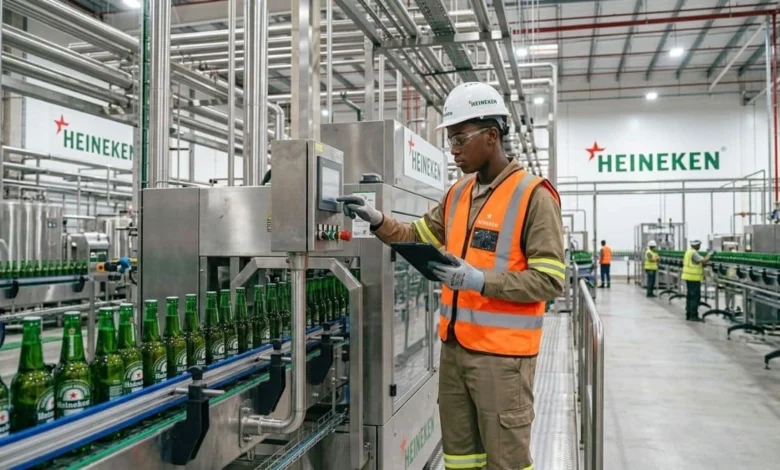
The programme is structured to provide exposure to real operational environments where interns participate in daily production and supply chain processes.
The primary objective of this internship is to provide students with:
Practical workplace experience required for qualification
Exposure to industrial production systems
Development of technical and problem-solving skills
Understanding of supply chain and manufacturing processes
For many students, this programme is not optional but a requirement to complete their diploma or degree.
Key Learning Areas
The internship covers multiple operational and technical areas within the supply chain and production environment. Interns are expected to actively participate and learn across these functions.
1. Process Optimisation
Interns will be introduced to methods used to improve production efficiency.
Key focus areas include:
Reducing processing time
Improving workflow efficiency
Increasing throughput
This involves observing existing processes and identifying opportunities for improvement.
Completing this internship can provide several advantages.
1. Practical Experience
Interns gain real-world experience that is often required by employers.
2. Skill Development
The programme develops both:
Technical skills
Workplace competencies
3. Industry Exposure
Interns gain insight into:
Manufacturing processes
Supply chain operations
4. Improved Employability
Having practical experience improves:
Job prospects
CV strength
Frequently Asked Questions (FAQs)
1. Who can apply for the HEINEKEN Supply Chain Cellar Internship 2026?
This internship is open to South African students who are in their final year of an engineering diploma and require in-service training or workplace experience to complete their qualification.
2. How long is the HEINEKEN internship programme?
The programme runs for 12 months, starting on 01 May 2026 and ending on 30 June 2027.
3. What kind of experience will interns gain?
Interns will gain hands-on experience in areas such as: Process optimisation Quality control Production operations Supply chain processes Problem-solving and data analysis
4. Is prior work experience required to apply?
No, prior work experience is not required. However, candidates must have a strong academic record and demonstrate readiness to work in a production environment.
5. What documents are needed for the application?
Applicants must submit: A motivational letter Updated CV Certified academic record Certified copy of Grade 12 certificate
Conclusion
The Intern Supply Chain Cellar Programme 2026 provides a structured opportunity for final-year engineering students to gain essential workplace experience.
By participating in this programme, interns can develop technical knowledge, improve their practical skills, and prepare for future employment in the manufacturing and supply chain sectors.
Candidates who meet the requirements and are willing to commit to the demands of the programme should ensure their applications are complete and submitted on time.
This internship represents a critical step in transitioning from academic study to professional work within the South African industrial sector.
Nonhlanhla Ndlovu is the founder and publisher of EduFeeds, a South Africa–focused platform that shares verified learnerships, internships, bursaries, and job opportunities for young people and job seekers.
With a strong focus on helping South African youth access real career opportunities, Nonhlanhla researches and verifies programmes from official company sources and public announcements before publication. EduFeeds aims to simplify the application process by providing clear guidance, requirements, and practical tips to help applicants apply with confidence.
Nonhlanhla continues to monitor updates from SETAs, companies, and training providers to ensure information on Edu Feeds remains current and useful. She focuses on publishing timely and accurate opportunity updates for the South African youth employment market.
Nonhlanhla Ndlovu is the founder and publisher of EduFeeds, a South Africa–focused platform that shares verified learnerships, internships, bursaries, and job opportunities for young people and job seekers.
With a strong focus on helping South African youth access real career opportunities, Nonhlanhla researches and verifies programmes from official company sources and public announcements before publication. EduFeeds aims to simplify the application process by providing clear guidance, requirements, and practical tips to help applicants apply with confidence.
Nonhlanhla continues to monitor updates from SETAs, companies, and training providers to ensure information on Edu Feeds remains current and useful. She focuses on publishing timely and accurate opportunity updates for the South African youth employment market.