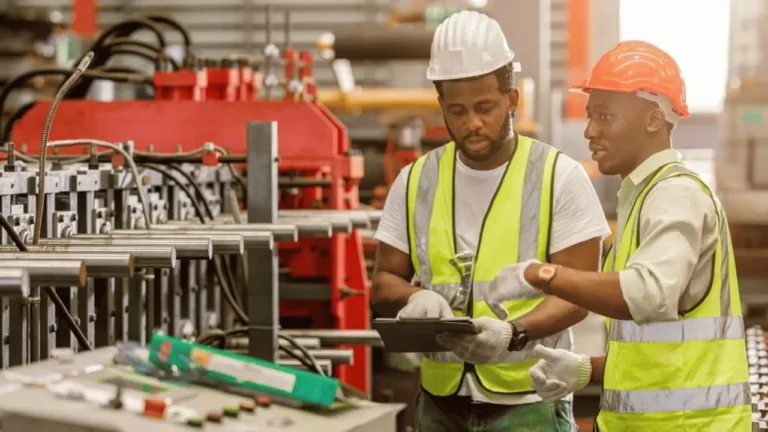
For many young South Africans interested in engineering, the biggest challenge is not access to education but gaining meaningful, hands-on experience in a real industrial environment. While classroom learning provides theoretical knowledge, technical careers—especially in trades like electrical engineering—require practical exposure.
Apprenticeship programmes remain one of the most effective pathways into these careers. They combine structured training with workplace experience, allowing learners to build skills while working toward a recognised trade qualification.
The SAB Electrical Apprenticeship 2026 is one such opportunity. Offered by one of South Africa’s leading manufacturing companies, this programme is designed to develop future electrical artisans through a combination of technical training and on-the-job learning.
This article provides a clear and detailed overview of the apprenticeship, including requirements, structure, benefits, and application guidance.
If you are interested in artisan training, you can also explore:
EduFeeds Learnerships and Internships
EduFeeds SETA Opportunities
Why This Opportunity Matters
Apprenticeships play a key role in addressing skills shortages.
National Importance
Supports artisan development
Improves workforce readiness
Strengthens technical industries
Individual Impact
Provides career direction
Builds practical skills
Creates employment opportunities
SAB Electrical Apprenticeship 2026
Frequently Asked Questions (FAQs)
1. Is this apprenticeship paid?
Some apprenticeships include allowances, depending on company policy.
2. Do I need experience?
No. The programme is designed for entry-level candidates.
3. How long does it take?
The programme runs for 3 to 4 years.
4. What qualification will I receive?
You may qualify as an Electrical Artisan upon completion.
5. Where is the programme based?
Chamdor Brewery in Gauteng.
Final Thoughts
The SAB Electrical Apprenticeship 2026 offers a structured pathway into the electrical trade. By combining formal training with hands-on experience, it provides a strong foundation for a technical career.
While it requires commitment and effort, the long-term benefits include:
Nonhlanhla Ndlovu is the founder and publisher of EduFeeds, a South Africa–focused platform that shares verified learnerships, internships, bursaries, and job opportunities for young people and job seekers.
With a strong focus on helping South African youth access real career opportunities, Nonhlanhla researches and verifies programmes from official company sources and public announcements before publication. EduFeeds aims to simplify the application process by providing clear guidance, requirements, and practical tips to help applicants apply with confidence.
Nonhlanhla continues to monitor updates from SETAs, companies, and training providers to ensure information on Edu Feeds remains current and useful. She focuses on publishing timely and accurate opportunity updates for the South African youth employment market.
For many young South Africans, the biggest challenge isn’t getting a qualification—it’s getting that first real opportunity. You’ve finished Matric.You’re ready to work.But every job seems to ask for experience you don’t have. That’s exactly where the Pepkor Lifestyle W&R SETA Learnership 2026 comes in. This isn’t just another programme. It’s a paid, structured 12-month…
The Eskom YES Programme 2026 is officially open, offering unemployed South African youth a structured opportunity to gain 12 months of paid work experience within one of the country’s most critical state-owned enterprises. As youth unemployment continues to limit access to the labour market, Eskom’s participation in the Youth Employment Service (YES) programme creates a…
Need workplace training to complete your N6 Farming Management qualification? This is exactly the kind of opportunity that can help you finish your diploma and gain real experience at the same time. Limpopo Department of Agriculture AgriSETA WIL Internships 2026-Overview The Limpopo Department of Agriculture and Rural Development is offering 15 Work Integrated Learning (WIL)…
Quick facts box (from the official application + Signa Academy pages) Item Details Programme Signa Academy Learnership 2026 Closing date Not stated in the official advert Location Not stated in the official advert Duration Not stated in the official advert Positions available Not stated in the official advert Reference number Not stated in the official…
Job seekers in the Eastern Cape have a new opportunity to work in the fuel retail industry. Sentraal-Suid Co-operative Ltd is currently hiring a Petrol Attendant for its truck stop in Queenstown. This permanent position offers individuals the chance to work in a professional fuel retail environment where customer service, safety, and operational efficiency are…
Pick n Pay Blockman MasterCut Programme 2026 Opens Doors to a Skilled Trade Career South Africa’s retail sector depends on skilled artisans to keep food supply chains running efficiently, safely, and professionally. One of the most in-demand yet often overlooked trades is butchery — a career that combines technical skill, discipline, and long-term employability. The…