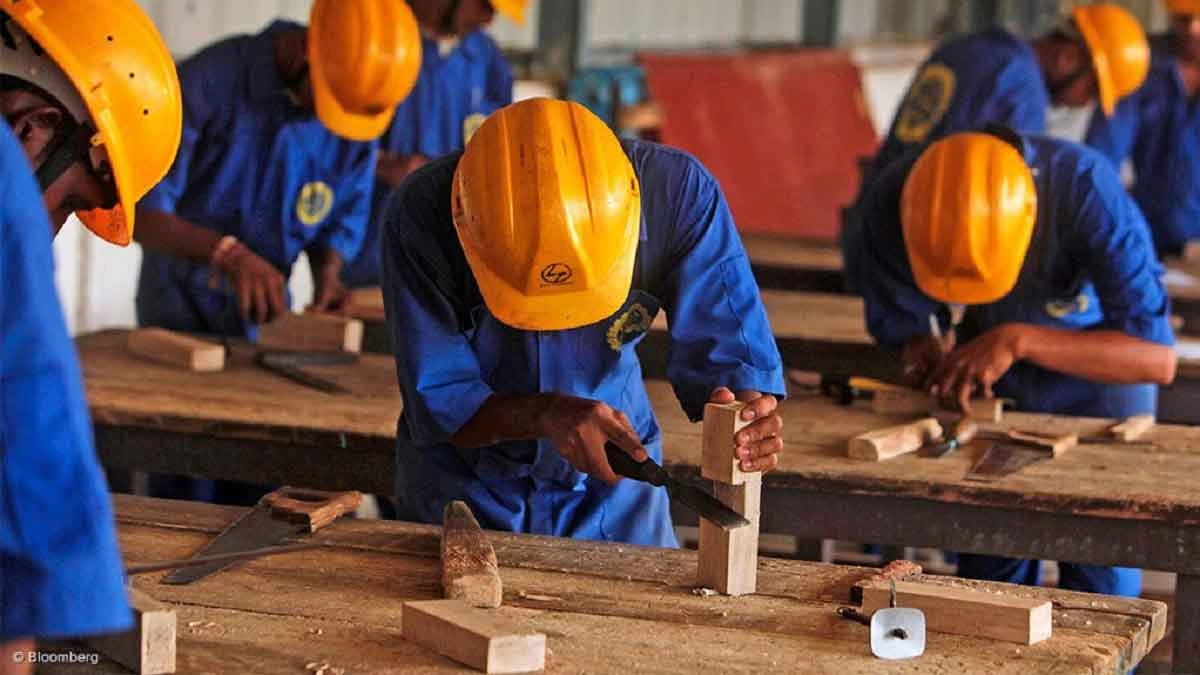
Thousands of young South Africans secure their first workplace experience each year through SETA-funded learnerships. These structured programmes combine formal training with real work exposure, helping participants build both qualifications and employability.
In this complete step-by-step guide, you will learn exactly how SETA learnerships function, who qualifies, how the application process works, and what to expect after you are accepted.
Whether you are a matriculant, TVET student, or unemployed graduate, this guide will help you navigate the system with confidence.
📌 How SETA Learnerships Work in South Africa — The Basics
At their core, SETA learnerships are structured work-based learning programmes funded or supported by Sector Education and Training Authorities (SETAs).
These programmes are designed to:
Develop scarce and critical skills
Improve youth employability
Provide nationally recognised qualifications
Support workplace readiness
Strengthen South Africa’s skills pipeline
A learnership is not just a short course. It is a formal programme that includes:
✅ Classroom or theoretical learning ✅ Practical workplace experience ✅ Assessment and moderation ✅ An NQF-registered qualification
This combination is what makes SETA learnerships powerful entry points into the labour market.
🏢 What Exactly Is a SETA?
Before applying, it is important to understand the structure behind the system.
SETAs (Sector Education and Training Authorities) are government-established bodies responsible for skills development in specific industries.
Each SETA focuses on training needs within its sector and helps fund learnerships aligned with national skills priorities.
👉 For a broader overview, see the Ultimate SETA Opportunities Guide South Africa (2026) on EduFeeds.
🔄 Step-by-Step: How SETA Learnerships Actually Work
Understanding the lifecycle of a learnership helps you prepare properly.
✅ Step 1: SETAs Identify Scarce Skills
Each year, SETAs analyse labour market data to identify skills shortages.
These may include:
Business administration
IT support
Engineering trades
Healthcare support
Finance and banking
Construction
Learnerships are then designed to address these gaps.
📌 This is why many programmes focus on “scarce skills” fields.
✅ Step 2: Employers Partner With SETAs
Companies, training providers, or government entities partner with SETAs to host learners.
The employer agrees to:
Provide workplace exposure
Supervise the learner
Support skills development
Participate in assessments
In many cases, SETAs provide funding support for training costs and stipends.
✅ Step 3: Learnership Opportunities Are Advertised
Once approved, learnerships are advertised through:
Company career pages
SETA websites
Government portals
Trusted platforms like EduFeeds
Each advert will specify:
Minimum requirements
Duration
NQF level
Stipend (if applicable)
Closing date
⚠️ Always verify opportunities through official sources.
✅ Step 4: Applicants Submit Their Applications
This is where most candidates enter the process.
Typical requirements include:
South African ID
Matric certificate
Updated CV
Proof of residence
Relevant qualifications (if required)
Some programmes also require:
Medical fitness
Clear criminal record
Specific subjects like Maths or English
👉 If you are new to applications, read the Ultimate Learnership and Internship Guide (2026) on EduFeeds.
✅ Step 5: Shortlisting and Screening
After the closing date, the employer or training provider reviews applications.
This may include:
Document verification
Academic screening
Employment checks
Basic assessments
Because competition is high, many applicants are filtered out at this stage.
📊 Some popular learnerships receive thousands of applications for limited positions.
✅ Step 6: Interviews and Assessments
Shortlisted candidates may be invited to:
Interviews
Aptitude tests
Psychometric assessments
Medical evaluations
Background checks
Not all programmes include every step, but many do.
Preparation matters significantly here.
✅ Step 7: Signing the Learnership Agreement
If selected, you will sign a formal learnership agreement.
This is a legal training contract, not permanent employment.
The agreement typically involves:
The learner
The employer
The training provider
The SETA
It outlines:
Training duration
Responsibilities
Stipend terms
Assessment requirements
✅ Step 8: Training and Workplace Experience Begin
Once enrolled, the learnership officially starts.
Most programmes include:
📘 Structured classroom learning 🏢 Workplace practical training 🧠 Ongoing assessments 📋 Portfolio of evidence
Typical duration:
Most learnerships: ±12 months
Some technical programmes: longer
You must complete both theory and practical components to qualify.
✅ Step 9: Assessment and Qualification
At the end of the programme, learners are assessed against national standards.
Successful learners receive:
🎓 An NQF-registered qualification 📄 Workplace experience 📈 Improved employability
This is the key value of SETA learnerships.
💰 Do SETA Learnerships Pay a Stipend?
Most SETA learnerships include a monthly stipend, but it is important to understand:
It is not a salary
Amounts vary by sector
Payment depends on funding structures
Typical ranges in South Africa:
NQF Level 2–4: ±R1,500–R4,500
Higher-level programmes: sometimes more
The purpose of the stipend is to support transport and basic expenses during training.
🎯 Who Should Apply for SETA Learnerships?
These programmes are especially suitable for:
Matriculants seeking work experience
TVET graduates
Unemployed youth
Entry-level job seekers
Career changers needing formal skills
Most youth programmes target ages 18–35, but always check the advert.
⚠️ Common Mistakes That Reduce Your Chances
Many applicants are rejected for avoidable reasons.
High-risk mistakes include:
Applying after the deadline
Submitting uncertified documents
Ignoring subject requirements
Using an unprofessional CV
Not meeting minimum criteria
Applying to only one programme
Consistency and attention to detail are critical.
📈 How to Improve Your Chances in 2026
To stand out:
✅ Apply early ✅ Prepare certified documents in advance ✅ Tailor your CV ✅ Apply to multiple opportunities ✅ Monitor your email daily ✅ Keep your phone reachable
Persistence is one of the biggest success factors in the SETA space.
SETA Learnerships Work in South Africa
❓ Frequently Asked Questions (FAQs)
What is the main purpose of SETA learnerships?
They are designed to combine training and workplace experience to improve employability and address scarce skills in South Africa.
Do SETA learnerships guarantee permanent jobs?
No. A learnership is a fixed-term training contract. However, it significantly improves your chances of future employment.
Can I apply if I am currently studying?
Most funded learnerships require applicants to be unemployed and not enrolled full-time. Always check the specific advert.
How long does a SETA learnership last?
Most run for about 12 months, but technical or artisan programmes may run longer.
Can I apply for more than one learnership?
Yes. Applying to multiple verified opportunities is strongly recommended.
Are SETA learnerships recognised qualifications?
Yes. Successful learners receive qualifications registered on the National Qualifications Framework (NQF).
These programmes remain one of the most reliable pathways into the labour market, especially for young South Africans seeking structured skills development and workplace exposure.
If you prepare your documents early, apply consistently, and follow instructions carefully, your chances of success improve significantly.
Stay proactive, stay organised, and monitor EduFeeds regularly for newly verified opportunities.
Nonhlanhla Ndlovu is the founder and publisher of EduFeeds, a South Africa–focused platform that shares verified learnerships, internships, bursaries, and job opportunities for young people and job seekers.
With a strong focus on helping South African youth access real career opportunities, Nonhlanhla researches and verifies programmes from official company sources and public announcements before publication. EduFeeds aims to simplify the application process by providing clear guidance, requirements, and practical tips to help applicants apply with confidence.
Nonhlanhla continues to monitor updates from SETAs, companies, and training providers to ensure information on Edu Feeds remains current and useful. She focuses on publishing timely and accurate opportunity updates for the South African youth employment market.
What if your first job paid more than expected? Not R3,500.Not R4,500. But R8,500 or more—every month. In 2026, a small group of learnerships in South Africa is quietly standing out. While most programmes still offer modest stipends, a handful in banking and mining are paying significantly higher—and competition for them is intense. They’re being…
If you’re applying for learnerships in South Africa and you keep getting ignored, your CV is often the problem — not you. Most learnerships are designed for unemployed youth, first-time job seekers, and school leavers, so employers don’t expect years of experience. They do expect a CV that is clean, readable, honest, and “application-ready.” This…
Finding real job opportunities in South Africa can be challenging, especially for young people trying to get started. This is where the SAYouth.mobi login platform becomes extremely valuable. SAYouth is designed to connect young people with jobs, learnerships, and training opportunities across the country. However, many users struggle with the SAYouth.mobi login, registration process, or…
South Africa’s learnership system remains one of the most effective tools for tackling unemployment, skills shortages, and unequal access to education. As the country moves into 2026–2027, accredited learnership training providers continue to play a vital role in helping young people and working adults gain recognised qualifications, practical work experience, and employable skills. Top Accredited…
If you’re serious about finding accredited training, learnerships, or workplace experience in 2026, understanding SETA opportunities South Africa is essential. Across the country, thousands of young people secure skills training and first-time work exposure through programmes funded by Sector Education and Training Authorities (SETAs). Yet many eligible applicants miss out simply because they don’t understand…
The ETDP SETA ECD Learnership 2026 is creating new opportunities for South Africans who want to build a career in early childhood education and development. This programme allows participants to gain a nationally recognised qualification while gaining practical work experience in early learning environments. Across South Africa, the demand for qualified Early Childhood Development practitioners…